Videos
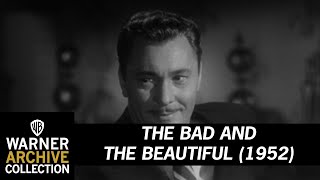
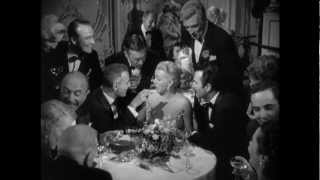
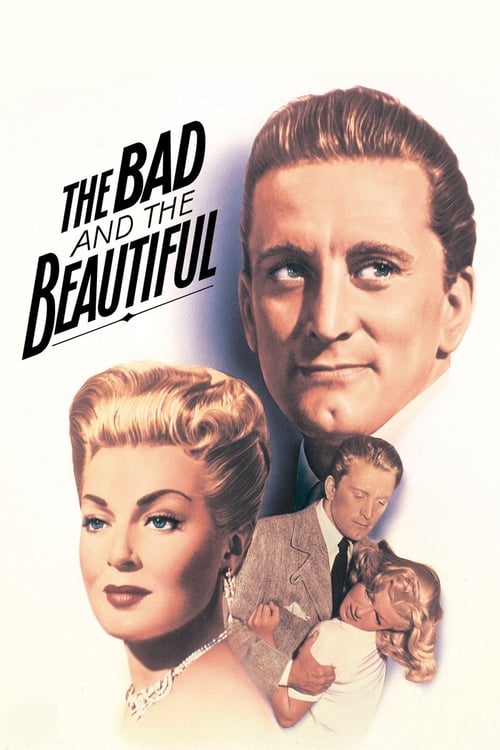
The Bad and the Beautiful
Told in flashback form, the film traces the rise and fall of a tough, ambitious Hollywood producer, Jonathan Shields, as seen through the eyes of various acquaintances, including a writer, James Lee Bartlow; a star, Georgia Lorrison; and a director, Fred Amiel. He is a hard-driving, ambitious man who ruthlessly uses everyone on the way to becoming one of Hollywood's top movie makers.

7.3

118 min
Release
1952-12-25
Cast
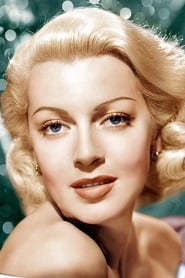
Lana Turner
as Georgia Lorrison
Kirk Douglas
as Jonathan Shields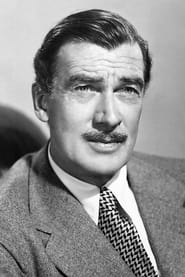
Walter Pidgeon
as Harry Pebbel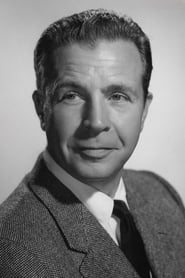
Dick Powell
as James Lee Bartlow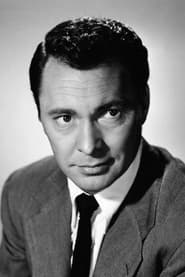
Barry Sullivan
as Fred Amiel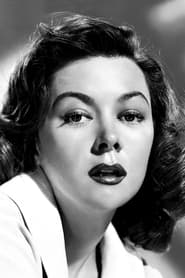
Gloria Grahame
as Rosemary Bartlow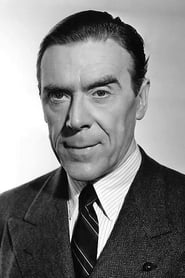
Leo G. Carroll
as Henry Whitfield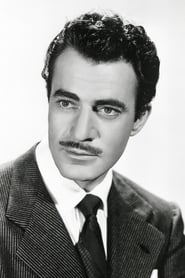
Gilbert Roland
as Victor "Gaucho" Ribera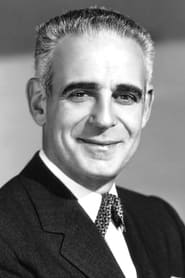
Paul Stewart
as Syd Murphy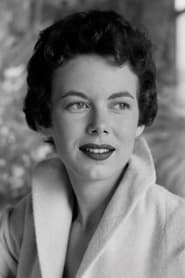
Vanessa Brown
as Kay Amiel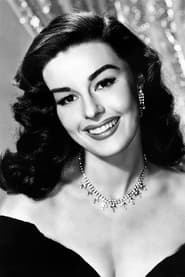
Elaine Stewart
as Lila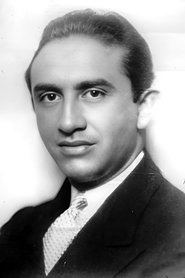
Sammy White
as Gus
Ivan Triesault
as Von Ellstein
Lucy Knoch
as Blonde Dancing with Gaucho (uncredited)
Jay Adler
as Mr. Z (uncredited)
Stanley Andrews
as Sheriff (uncredited)Del Armstrong
as Georgia's Makeup Artist (uncredited)
Ben Astar
as Joe (Party Guest) (uncredited)
Barbara Billingsley
as Evelyn Lucien (Costumer) (uncredited)John Bishop
as Ferraday (uncredited)
Madge Blake
as Mrs. Rosser (uncredited)Marshall Bradford
as Man Outside the Club (uncredited)Paul Bradley
as Party Guest (uncredited)Hadda Brooks
as Piano Player (uncredited)Ralph Brooks
as Mourner (uncredited)
Robert Burton
as McDill (uncredited)
Francis X. Bushman
as Eulogist (uncredited)
Louis Calhern
as Georgia Lorrison's Father (voice) (uncredited)
Marietta Canty
as Ida (uncredited)Robert Carson
as Casting Director (uncredited)Beulah Christian
as Party Guest (uncredited)Janet Comerford
as Bobby-Soxer (uncredited)James Conaty
as Party Guest (uncredited)
Jonathan Cott
as Assistant Director (uncredited)
Lillian Culver
as Real Estate Woman (uncredited)Alexis Davidoff
as Priest (uncredited)Bob Davis
as Assistant (uncredited)
Sandy Descher
as Little Girl Screaming on "Cat Man" Set (uncredited)Helen Dickson
as Symposium Guest (uncredited)
Phil Dunham
as Pawnbroker (uncredited)Steve Dunhill
as Cameraman (uncredited)
Franklyn Farnum
as Assistant on Set (uncredited)James Farrar
as Publicity Man (uncredited)
Bess Flowers
as Joe's Friend at Party (uncredited)Charles Fogel
as Poker Player (uncredited)George Ford
as Club Patron (uncredited)
Steve Forrest
as Actor in Georgia's Screen Test (uncredited)
Kathleen Freeman
as Miss March (uncredited)Rudy Germane
as Party Guest (uncredited)
Frank Gerstle
as Gabby Agent at the Party (uncredited)Joe Gilbert
as Party Guest (uncredited)
Ned Glass
as Wardrobe Man (uncredited)James Gonzalez
as Party Guest (uncredited)Phyllis Graffeo
as Leading Lady (uncredited)Herschel Graham
as Party Guest (uncredited)A. Cameron Grant
as Assistant Director (uncredited)Marion Gray
as Symposium Guest (uncredited)William E. Green
as Hugo Shields (uncredited)
Dabbs Greer
as Studio Lighting Technician (uncredited)Robert Haines
as Mourner (uncredited)Sam Harris
as Party Guest (uncredited)
Dick Johnstone
as Mourner (uncredited)
Ted Jordan
as Assistant Director (uncredited)Joseph Keane
as Assistant Director (uncredited)
Kenner G. Kemp
as Mourner (uncredited)
Peggy King
as Singer at Party (uncredited)
Mike Lally
as Preview Ticket Taker (uncredited)Louise Lane
as Party Guest (uncredited)
George J. Lewis
as "Far Away Mountain" Test Actor #2 (uncredited)
Wilbur Mack
as Party Guest (uncredited)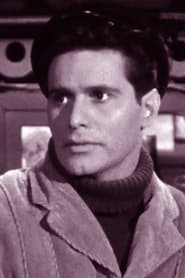
Paul Marion
as Spanish Actor in Screen Test (uncredited)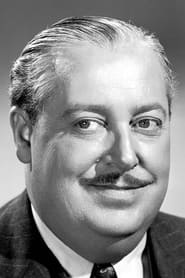
Paul Maxey
as Man Talking to Gabby Agent at the Party (uncredited)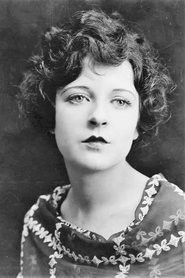
May McAvoy
as Pebbel's Secretary (uncredited)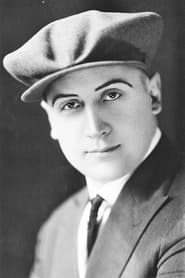
Harold Miller
as Mourner (uncredited)Hans Moebus
as Party Guest (uncredited)Patrick J. Molyneaux
as Studio Electrician (uncredited)
Roger Moore
as Cigar Clerk (uncredited)Ellanora Needles
as Reporter (uncredited)Richard Norris
as Leading Man (uncredited)
William H. O'Brien
as Waiter at Party (uncredited)
Pat O'Malley
as Man Outside the Club (uncredited)
Christopher Olsen
as Amiel's Boy (uncredited)
Dorothy Patrick
as Arlene (uncredited)
William Phillips
as Assistant Director (uncredited)Murray Pollack
as Theatre Worker (uncredited)Paul Power
as Theatre Manager (uncredited)Kathy Qualen
as Bobby-Soxer (uncredited)Anthony Redondo
as Crew Member (uncredited)
Jeff Richards
as Studio Props Department Man (uncredited)
Loretta Russell
as Symposium Guest (uncredited)
Jeffrey Sayre
as Waiter (uncredited)
Frank J. Scannell
as Reporter (uncredited)Perry Sheehan
as Pebbel's Secretary (uncredited)George Sherwood
as Cameraman (uncredited)
Reginald Simpson
as Poker Player (uncredited)Mabel Smaney
as Heavy Woman (uncredited)Norman Stevans
as Theatre Worker (uncredited)
William Tannen
as Reporter (uncredited)
Dee Turnell
as Linda Ronley (uncredited)
Harry Tyler
as Man (uncredited)
Kaaren Verne
as Rosa (uncredited)
Ray Walker
as Cameraman (uncredited)Harte Wayne
as Judge (uncredited)Lawrence A. Williams
as Poker Player (uncredited)Eric Wilton
as Butler (uncredited)Wilson Wood
as Man on Movie Set (uncredited)Douglas Yorke
as Leading Man (uncredited)Helen Young
as Georgia's Hair Stylist (uncredited)Director
REVIEWS
tmdb28039023
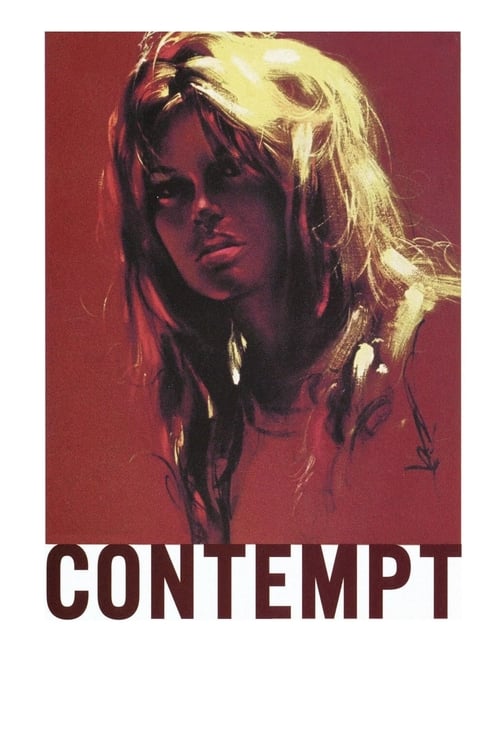
The Bad and the Beautiful is sort of like Old Hollywood’s Rashomon. Three characters appear before a fourth to tell a story about a fifth; the three stories are different but interrelated, and the moral of each is the same: studio chief Jonathan Shields (Kirk Douglas) is a major a--hole and to know him is to hate him. Each tale is bookended by film producer Harry Pebbel (Walter Pidgeon) sarcastically condoling with the teller, pitying them for their blindness to the fact that Shields was a blessing in disguise. Without him, movie star Georgia Lorrison (Lana Turner) was "a drunk and a tramp playing bit parts, and he made a star of you ... For the last seven years, you've been in the top 10 in every popularity poll. Yes, Jonathan sure fouled you up." Screenwriter-turned-novelist James Lee Bartlow (Dick Powell) is told "Jonathan sure destroyed you. You came out of it with nothing. Nothing but a Pulitzer Prize novel and the highest salary of any writer in Hollywood." As for director Fred Amiel (Barry Sullivan), "[Shields] brushed you off his coattail, so you had to stand alone. And all you've got in the world is a wife, six kids, two Academy Awards and every stu-dio in town after you. Why, Jonathan ruined you!". In all three cases, however, especially the third, it would seem as if the complainer got to where they are now despite, rather than because of, Shields. Georgia and Bartlow he does help reach the summits of their respective trades — though it is worth noting that both were satisfied with their lots in life and had no interest in climbing to such heights in the first place —, which of course didn’t give him the right to crap all over their personal lives. And Amiel he screwed over on a profes-sional basis; used him and then kicked him to the curb. As it turns out, Pebbel’s intended irony is only half-true; Shields did foul Georgia up, destroyed Bartlow, and ruined Amiel one way or another. That they pulled themselves up by their boots traps and continued to be successful is more a testament to their determination than to Shields’s alleged Midas touch. To be sure, the film skimps a litte too much on Shields’s hubris. Yes, he naively assumes he can direct a movie himself and ends up bankrupting Shields Productions, but it is implied that he only failed because, for once, he wasn’t a bastard-coated bastard with bastard filling ("Jonathan the director was a new Jonathan. He was patience personified. He was tolerant, even-tempered, considerate and indulgent to his crew, his cast and his writer"). Moreover, Shields saves himself from well-deserved public scorn by shelving the movie instead of releasing it. Finally, even though it’s made clear that Shields needs Georgia, Bartlow, and Amiel more than they need him — as well as suggested that they might agree to work with him again, in spite of having every reason not to —, there’s no indication that Shields has changed for good. Right before biting off more than he can chew, Shields is given great advice: "To direct a picture, a man needs humility. Do you have humility, Mr. Shields?". Having his crony Pebbel rub it in people’s faces all Shields supposedly did for them while downplaying how he hurt them doesn’t go a long way to answer that question in the affirmative. All things considered, The Bad and the Beautiful is not unlike the film Shields drove to the ground;"beautifully" written, produced, photographed, etc., etc., but unsure of what it is that it wants to say about its subject matter. P.S. A decade later Godard made Le Mépris, wherein he practiced what he preached (in order to cri-ticize a movie, you have to make another movie); Jack Palance’s producer’s contentious relations-hips with his scriptwriter and director (legendary Austrian-American filmmaker Fritz Lang as himself; The Bad and the Beautiful includes a character possibly modeled after Erich von Stroheim and Josef von Sternberg, no less legendary or Austrian-American than Lang) parallels those of Shields’s; furthermore, Palance — dressed to the nines and hair carefully slicked back — looks to have styled himself after Douglas. The difference is that Le Mépris made no pretense that its antagonistic film producer was ever any-thing other than a Jerk with a Heart of Jerk , as opposed to The Bad and the Beautiful’s Wolf in Sheep's Clothing.
Geronimo1967
It all starts with poor old Walter Pidgeon ("Harry") assembling "Georgia" (Lana Turner), "Fred" (Barry Sullivan) and "Bartlow" (Dick Powell) in his office so he can persuade then to write, direct and star in one last picture for their nemesis "Jonathan Shields" (Kirk Douglas). They loathe him - with a passion, and "Harry" knows he has his work cut out if he is convince them. His preferred method is to remind each of them, whilst introducing us to their characters and stories, of how they alighted on the visionary, enigmatic and profoundly selfish "Shields", and of how his selfishness and determination helped each of them to achieve success. Vincente Minnelli has assembled a strong cast to deliver really well on Charles Schnee's screenplay. The flashbacks deliver just about everything from betrayal, duplicity, passion - pretty much the whole gamut of human emotions and frailties as we gradually build a picture of a man about whom nothing is simple - and about whom it is possible to admire and detest in equal measure. By reminding them of just how they got to where they are now, "Harry" - who was put through the wringer a bit too by his boss - hopes to convince them to step up for one last hurrah! Can he? Should he? Should they? There is a really strong supporting cast here - including an effective Gilbert Roland ("Gaucho") and the briefest of appearances from Gloria Grahame as ("Rosemary"). Douglas is on super form - he conveys the ambitiousness and odiousness of the producer character effortlessly and at the same time gives us quite a vision of just how transitory and cut-throat Hollywood was. Turner, likewise, is on super form as the gal who will do what ever it takes to succeed - within reason - then when she starts to wear the real fur coats, then... What helps this stand out is the writing - it has a plausibility to it. You can readily imagine these scenarios being true (albeit gilded, somewhat) and it makes for two hours of cinema that simply flies by. Big screen if you can - it's well worth it.