Videos


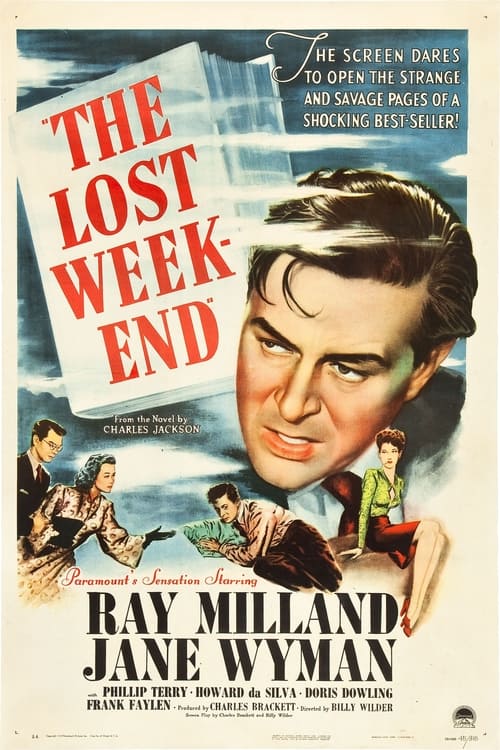
The Lost Weekend
Longtime alcoholic Don Birnam has been sober for ten days and appears to be over the worst... but his craving has just become more insidious. Evading a country weekend planned by his brother and girlfriend, he begins a four-day bender that just might be his last – one way or another.

7.628

101 min
Release
1945-11-29
Genres
Cast
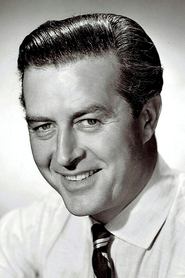
Ray Milland
as Don Birnam
Jane Wyman
as Helen St. James
Phillip Terry
as Wick Birnam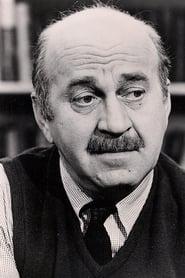
Howard Da Silva
as Nat the Bartender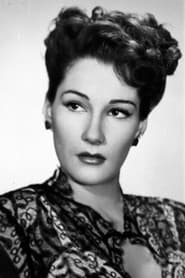
Doris Dowling
as Gloria
Frank Faylen
as 'Bim' Nolan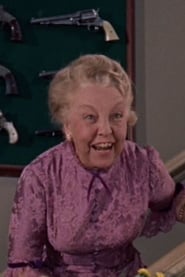
Mary Young
as Mrs. Deveridge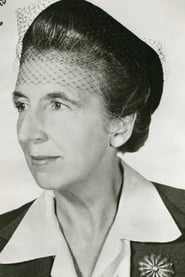
Anita Sharp-Bolster
as Mrs. Foley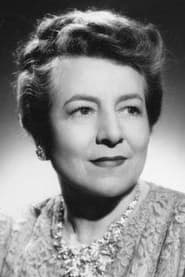
Lilian Fontaine
as Mrs. Charles St. James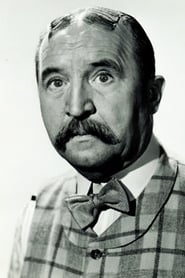
Frank Orth
as Opera Cloak Room Attendant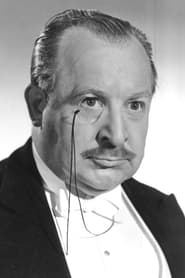
Lewis L. Russell
as Charles St. James
Andy Andrews
as Alcoholic (uncredited)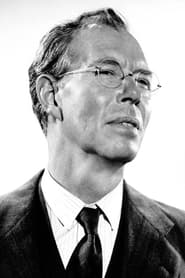
Walter Baldwin
as Man from Albany (uncredited)
Harry Barris
as Pianist at Harry & Joe's (uncredited)Jess Lee Brooks
as (uncredited)
Jack Rube Clifford
as Guard (uncredited)
David Clyde
as Dave (uncredited)James Conaty
as Man in Nightclub Washroom (uncredited)Willa Pearl Curtis
as Mrs. Wertheim's Assistant (uncredited)
John Deauville
as Cloakroom Attendant (uncredited)Helen Dickson
as Mrs. Frink (uncredited)
Franklyn Farnum
as Concert Attendee (uncredited)
Byron Foulger
as Shopkeeper (uncredited)
Jayne Hazard
as M. (uncredited)
Ted Hecht
as Man with Bandaged Ear (uncredited)
Ernest Hilliard
as Headwaiter (uncredited)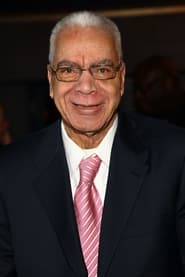
Earle Hyman
as Smoking Man (uncredited)Jerry James
as Male Nurse (uncredited)Stan Johnson
as Nurse (uncredited)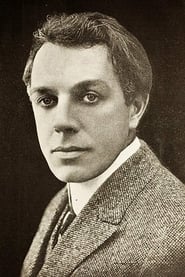
Jack W. Johnston
as Nightclub Guest (uncredited)
Karl 'Karchy' Kosiczky
as Baby (uncredited)
Eddie Laughton
as Mr. Brophy (uncredited)Perc Launders
as Doorman (uncredited)
Bertram Marburgh
as Jewish Man (uncredited)William Meader
as Hardware Man (uncredited)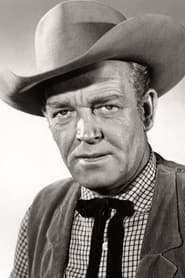
James Millican
as Nurse (uncredited)
Frank Mills
as Drunk in Alcoholic Ward (uncredited)Pat Moriarity
as Irishman (uncredited)
William Newell
as Liquor Store Proprietor (uncredited)William O'Leary
as Irishman (uncredited)Peter Potter
as Shaky and Sweaty Man (uncredited)
Stanley Price
as Fruit Clerk (uncredited)
Craig Reynolds
as George (uncredited)
Lester Sharpe
as Jewish Man (uncredited)
Lee Shumway
as Guard (uncredited)
Douglas Spencer
as Hospital Patient Seeing Imaginary Beetles (uncredited)Al Stewart
as Mattress Man (uncredited)
Amzie Strickland
as Woman in Bar (uncredited)
Harry Tenbrook
as Drunk in Alcoholic Ward (uncredited)
Fred 'Snowflake' Toones
as Washroom Attendant at Harry & Joe's (uncredited)
Emmett Vogan
as Doctor (uncredited)
Max Wagner
as Mike (uncredited)Milton Wallace
as Pawnbroker with Helen's Coat (uncredited)Gisela Werbisek
as Mrs. Wertheim (uncredited)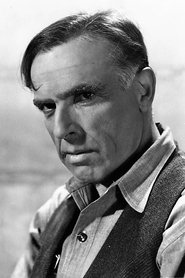
Crane Whitley
as Waiter at Harry & Joe's Bar (uncredited)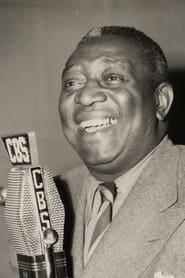
Ernest Whitman
as Black Man Talking to Himself (uncredited)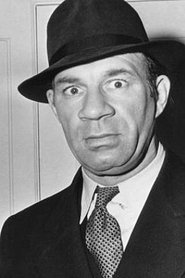
Harry Wilson
as Drunk (uncredited)Isabel Withers
as Woman Before Pawn Shop (uncredited)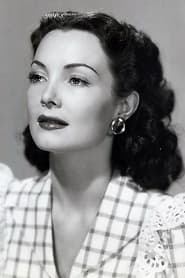
Audrey Young
as Cloak Room Attendant (uncredited)Dick Gordon
as Hotel Desk Clerk (uncredited)Director
REVIEWS

John Chard
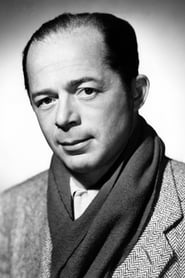
Delirium is a disease that only comes at night. Don Birnham is not a drinker, he is in fact a drunk, he is left alone for the weekend by those who love him under the proviso that he gets stuck into his writing, thus the hope is that he stays away from the booze that is killing his life and the loving foundation that his life is built upon. Billy Wilder directs this with brilliant hands, he pulls his first masterstroke by casting Ray Milland in the lead role of Don Birnham, at the time Milland was better known for light and airy roles, so for audiences of the time it was quite something to see someone so normally affable descend into a real dark shadow of their perceived persona. It was a formula that "Blake Edwards" would repeat some 17 years later with "Days Of Wine And Roses", there, comedy great "Jack Lemmon" would wow the viewers with his own descent into alcoholic hell. It's no different here in 1945, Milland (and Wilder) drag us into an airy, almost jaunty first reel, and the foundation is set here for us to firmly stand by Don as he spirals through a series of nightmares that is acted with genuine skill by the leading man. The journey has us rapidly trying to hock a typewriter - if only we could just find a pawnbrokers open. We will beg in touchingly heart breaking fashion for a drink from the trusted barkeep, we will find ourselves in a dry out ward where the night terrors take over, we will be terrified by the delirium as sobriety threatens to unhinge this vile addiction... We will be part of this film because of the simple magnetic qualities that draws you in. It's not just Milland's realistic show, Wilder the crafty sod uses deep focus to emphasise anything that will steer us to the demon drink, be it escalating water rings as each shot of Rye is consumed, or camera shots through the bottles themselves, Wilder doesn't let up with knowing reminders of the core subject. The score is just terrific, Miklos Roza scores it to perfection because the music leads you into a swirling nightmare as Don's functional mind gives way to the haven of numbness, in short, the tech work on the film is tops. The back story to this now revered masterpiece is somewhat hilarious, Paramount didn't want to release the film after temperance groups protested that the film championed drinking (LOL). One strong arm group even offered 5 Million Dollars to have the film's negative destroyed, Wilder stood by his guns and thankfully the movie watching world still has a dark and poignant classic to view with resonance in any decade. 10/10

nutshell
One of Billy Wilder's best films, and certainly Ray Milland's best performance as he's cast against type playing a failed alcoholic author. Milland perfectly captures the despondent, manipulative and even criminal behavior of the lead character. More than 70 years after its release this film still packs a huge punch.

JPV852
This Best Picture winner (also won for director, actor and screenplay) was decently acted, albeit a bit too theatrical (stage type) for my taste but still well made movie with what I assume is a realistic take on alcoholism (never drank myself) from director Billy Wilder. It is a bit optimistic in the end but still an engaging enough drama. **3.75/5**
Geronimo1967
A truly evocative tour de force from Ray Milland in this semi-autobiographical tale of four days in the life of writer Charles R. Jackson - characterised here as "Don Birnam" - whose life as a writer is frequently wrecked by his chronic alcoholism. Just when he might be on the wagon, however, his addiction becomes even more acute and he diverts $10 meant for their cleaner and goes on a massive bender reaching the depths of despair that reduce this potentially sensible, responsible adult to little more than a pathetic, begging and pleading shadow of a man craving his next shot. Milland well deserved his Oscar with some strong, though infrequent support from his brother Phillip Terry and his girlfriend Jane Wyman who are desperately trying to keep him from the path of self-destruction. Billy Wider provides us with an invasive study of the intimate struggle of a man out of control - the scenes where he is looking for an open pawnbrokers on Yom Kippur convey just how hard he has hit rock bottom superbly and effectively - and Miklós Rósza provides a magnificently bleak score to further embellish the mood. A cracking film.