Videos


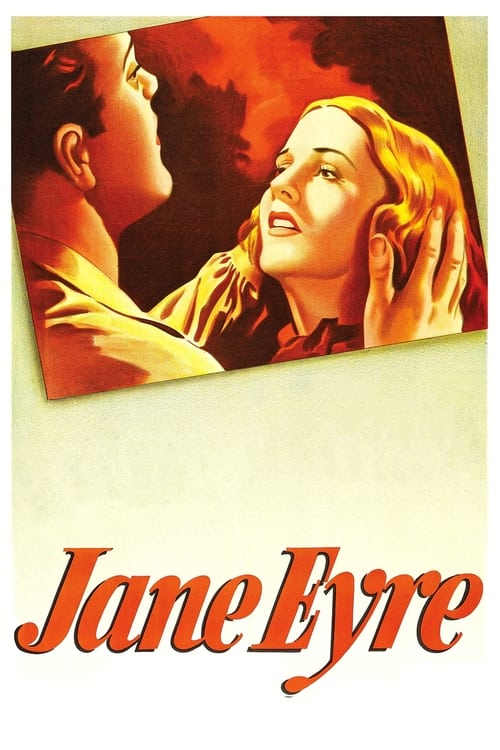
Jane Eyre
After a bleak childhood, Jane Eyre goes out into the world to become a governess. As she lives happily in her new position at Thornfield Hall, she meets the dark, cold, and abrupt master of the house, Edward Rochester. Jane and her employer grow close in friendship and she soon finds herself falling in love with him. Happiness seems to have found Jane at last, but could Rochester's terrible secret be about to destroy it forever?

6.9

97 min
Release
1943-12-24
Cast
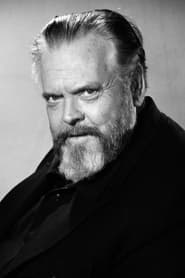
Orson Welles
as Edward Rochester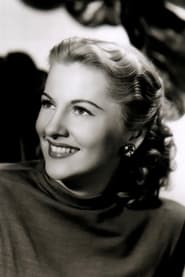
Joan Fontaine
as Jane Eyre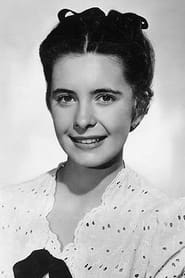
Margaret O'Brien
as Adele Varens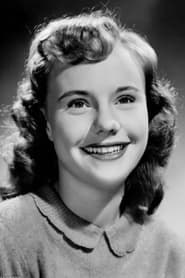
Peggy Ann Garner
as Jane Eyre (younger)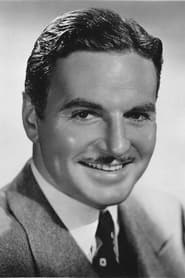
John Sutton
as Dr. Rivers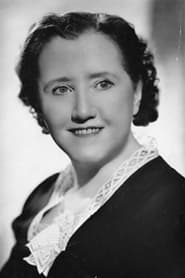
Sara Allgood
as Bessie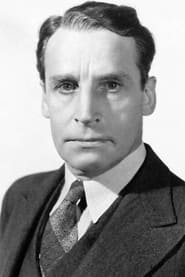
Henry Daniell
as Henry Brocklehurst
Agnes Moorehead
as Mrs. Reed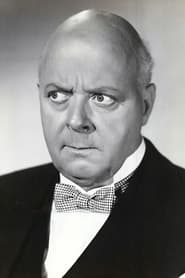
Aubrey Mather
as Colonel Dent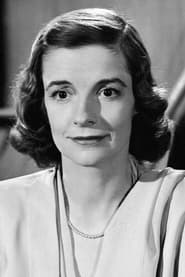
Edith Barrett
as Mrs. Fairfax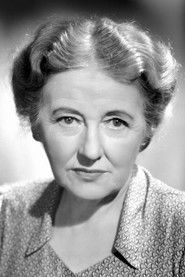
Barbara Everest
as Lady Ingram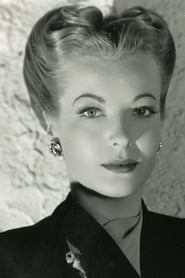
Hillary Brooke
as Blanche Ingram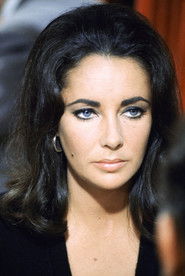
Elizabeth Taylor
as Helen Burns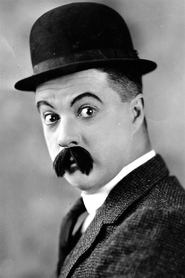
Billy Bevan
as Bookie (uncredited)
Adele Jergens
as Woman at Party (uncredited)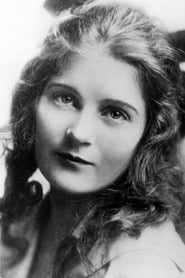
Mae Marsh
as Leah (uncredited)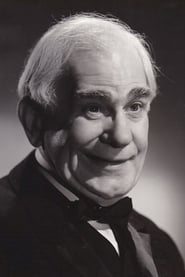
Erskine Sanford
as Mr. Briggs (uncredited)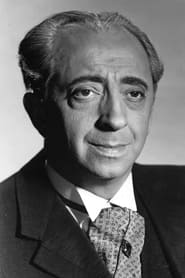
John Abbott
as Mason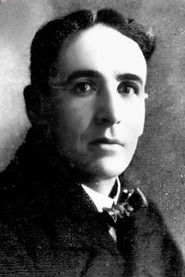
Harry Allen
as Guard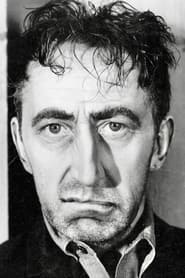
Ted Billings
as Townsman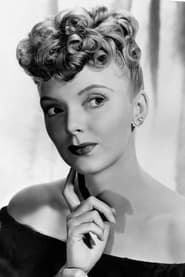
Ruth Brady
as Woman at Party
Colin Campbell
as Proprietor
David Clyde
as Guard on Coach from Lowood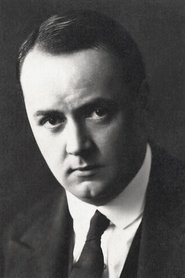
Charles Coleman
as Guard on Coach to Lowood
Alec Craig
as Footman
Alan Edmiston
as Dealer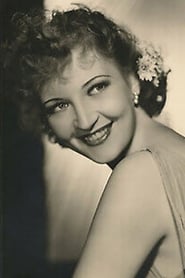
Jean Fenwick
as Guest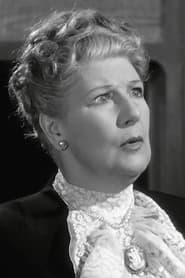
Mary Forbes
as Mrs. Eshton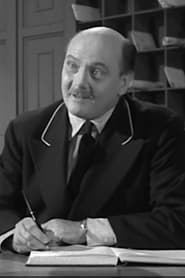
Arthur Gould-Porter
as Young Man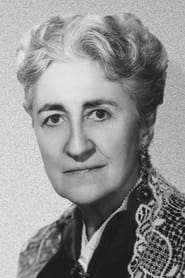
Ethel Griffies
as Grace PooleRonald Harris
as John Reed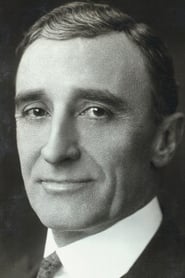
Brandon Hurst
as Lowood School TrusteeCharles Irwin
as AuctioneerGeorge Kirby
as Old Gentleman (uncredited)Bud Lawler
as GuestGwendolyn Logan
as DowagerThomas Louden
as Sir George Lynn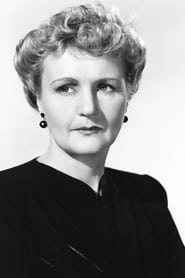
Moyna MacGill
as DowagerBarry Macollum
as Trustee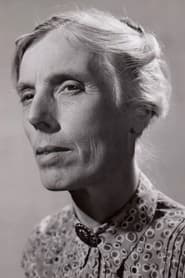
Eily Malyon
as Mrs. Skatcher
Nelson McDowell
as Lowood School TrusteeMary Menzies
as Girl in orphanage scene at dinner tableJohn Meredith
as GuestRoseanne Murray
as Guest
Tempe Pigott
as Fortune TellerNancy June Robinson
as GirlMarion Rosamond
as Guest
Billie Seward
as Woman at Party
Yorke Sherwood
as Beadle
Ivan F. Simpson
as Mr. Woods - the Minister
Gerald Oliver Smith
as Footman at Gateshead
Betta St. John
as Girl
Leslie Vincent
as GuestDan Wallace
as Guest
Frederick Worlock
as Sam--Waiter at Inn
Eustace Wyatt
as Dr. CarterDirector
REVIEWS

John Chard
Are you always drawn to the loveless and unfriended? Jane Eyre is directed by Robert Stevenson who co-adapts the screenplay with John Houseman, Aldous Huxley and Henry Koster. Based on the Charlotte Brontë novel of the same name, it stars Orson Welles, Joan Fontaine and Peggy Ann Garner. Music is scored by Bernard Herrmann and George Barnes is the cinematographer. After a harsh and eye opening childhood, orphan Jane Eyre gains employment at Thornfield Hall as governess to the young ward of Edward Rochester. A Difference in class and life outlook, Jane and Rochester are by definition polar opposites, but a bond exists, a bond that surely can't conquer the mysteries of Rochester the man, and the secret of his estate - can it? Stevenson's version of the often filmed Jane Eyre has been pored over numerous times before, the constant question that arises is that of just how much input and work did Orson Welles have in the production? Knowing what we now know of Welles' 40s output, Jane Eyre undeniably has the Wellesian stamp all over it, with Fontaine herself quoted as saying the big man was often found behind the camera. This is not to decry Stevenson in any way, he himself would carve out a good career in directing further down the line, but this take on Brontë's famous novel shines because of Welles' presence in front and behind the camera. With that comes one of only two quibbles with the film as a whole, namely it's Welles' portrayal of Rochester that dominates the film, and not that of Fontaine's Eyre. Which is quite staggering considering he doesn't enter the fray until 34 minutes into ty epic. The other problem, naturally, is that with a running time of just over an hour and thirty five minutes, it was never going to be a detailed adaptation of the novel. However, what exists is still an excellent mounted production, a film pulsing with aggressive atmospherics and simmering emotional passions. It has been argued that the opposing acting styles of Fontaine and Welles are a distraction, I don't see it that way at all, as one of classic cinemas greatest voices emotionally spars with one of its most beautiful faces, this is monochrome gold dust. In mind of the difference of characters as written on the page, it actually comes off as inspired casting. With the production that surrounds them perfectly in keeping with the characters' state of mind. The look is assuredly what would become known as film noir, with George Barnes' (Rebecca/Spellbound/Force of Evil) vivid black and white photography dovetailing splendidly with the matte paintings and Gothic set designs. It still amazes me to this day that this film was entirely produced on stage 2 at 20th Century Fox. So many images burn into the memory. From the shards of shadows that accompany young Jane as she stands on the punishment stool at Lowood Institution, put there by the despotic Henry Brocklehurst (a menacing Henry Daniell), to each chiaroscuro lit composition of Rochester in and around the oppressive like family home, the film has visual moodiness in abundance. Herrmann's (The Devil and Daniel Webster/Citizen Kane) score is crucially in tune as well. Orchestral swirls to portray Jane's longing are counter pointed by the menacing down beats that attack the viewer for Rochester's bluster. Away from the two leads it's young Peggy Ann Garner who delivers the most telling performance. She gives the child version of Jane a sorrowful edge that sets the tone of the film, her early scenes with an uncredited Elizabeth Taylor (beautiful and effectively correct in vocals) are a lesson in child acting. The rest of the cast is filled out with admirable performances from Margaret O'Brien (Meet Me in St. Louis), John Sutton (Captain from Castille), Sara Allgood (The Lodger) and Agnes Moorehead (The Magnificent Ambersons). This may not be a definitive Jane Eyre adaptation, and the compromised ending does knock it down a point, but all told it's still a top piece of classic cinema. 9/10
Geronimo1967
Undoubtedly my favourite Brontë story, and amongst the best adaptations of period drama you could ever wish to see. Joan Fontaine is superb in the title role, a girl forced into a brutal orphanage following the death of her father. After many years of abuse at the hands of the monstrous "Brocklehurst" (Henry Daniell) she finds a post as a governess to the daughter of the reclusive Edward Rochester (Orson Welles) at his remote, gothic Thornfield Hall. After an initially rocky start with her employer, things begin to thaw between them but is any of it as it seems...? Robert Stevenson has created a wonderfully evocative glimpse at Victorian Britain, and with Charlotte Brontë's superb eye not just for the detail of the story, but for a subtle and nuanced social commentary of a time when - even amongst the most civilised in society - human beings had little, or no value. The film takes it's time to develop the characters, the locations - the use of light, shadow and another striking score from Bernard Hermann all augment the two leading performances offering us a gripping adaptation of a strong, characterful book. I always find that colour is an inherent enemy of stories like this - monochrome is always king, and never more so than here...
SIMILAR MOVIES
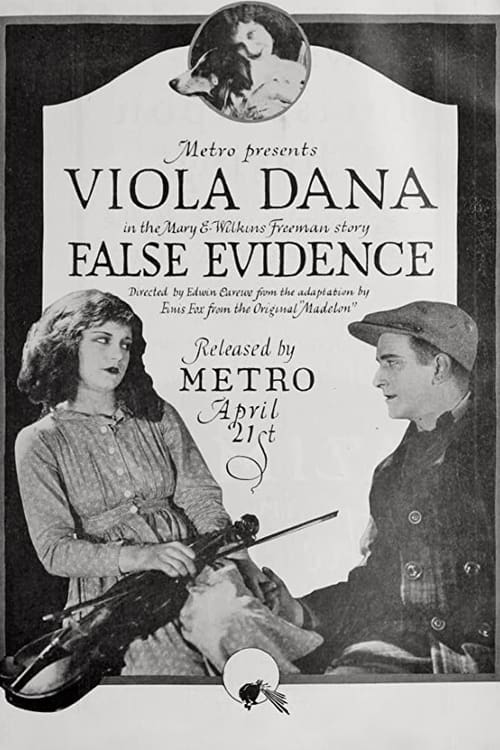
False Evidence

The Last Station
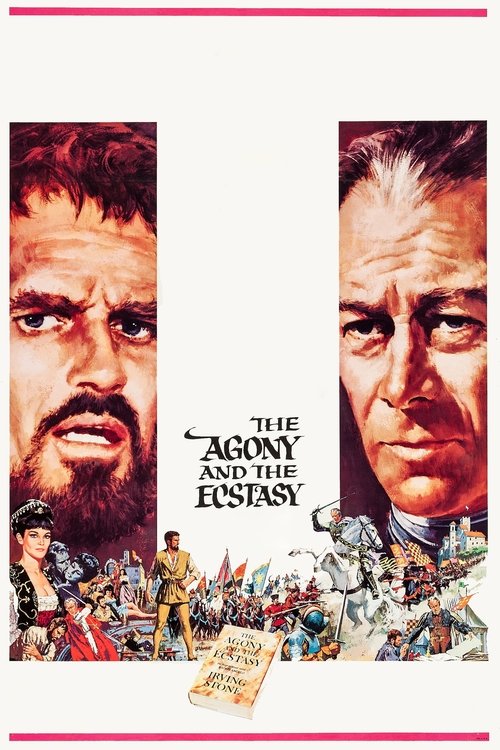
The Agony and the Ecstasy
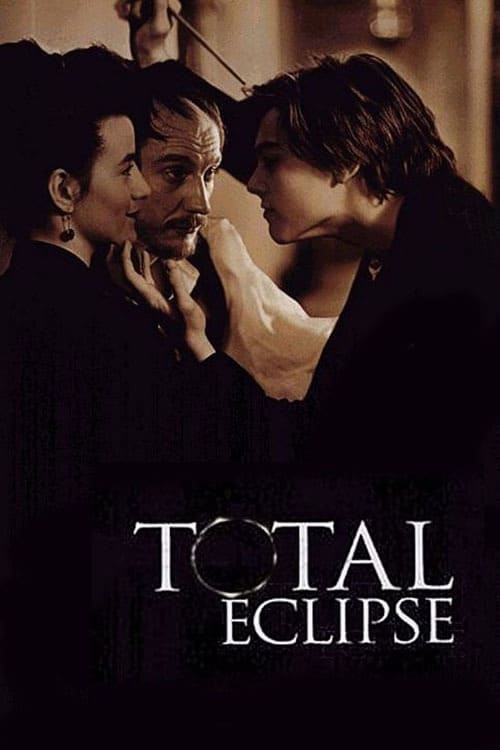
Total Eclipse
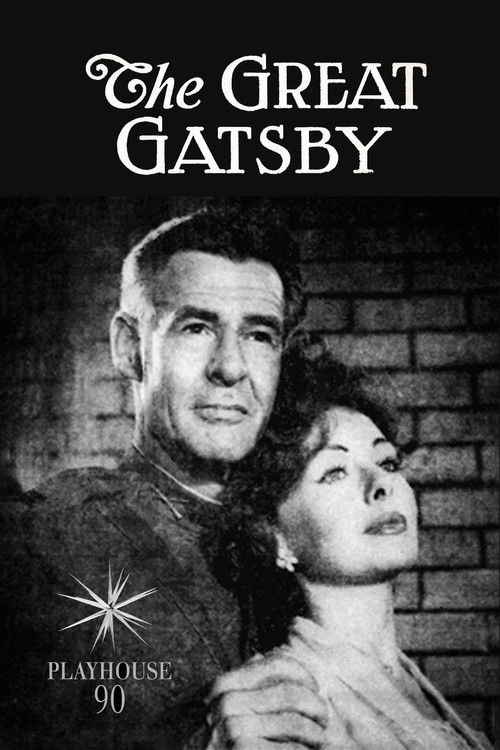
The Great Gatsby

Rude to Love

Take a Chance
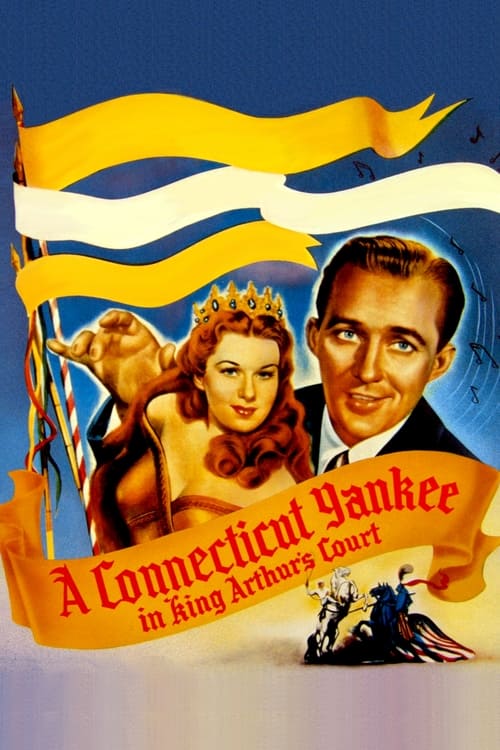
A Connecticut Yankee in King Arthur's Court
Beau Geste
Mask of the Red Death
The Plague
Heaven's Prisoners
The Hungarian Dressmaker

Tarzan
Antonieta
The Graduate
A Cool, Dry Place
Art of Love
V hodině nejtěžší...
Pork Chop Hill