Videos
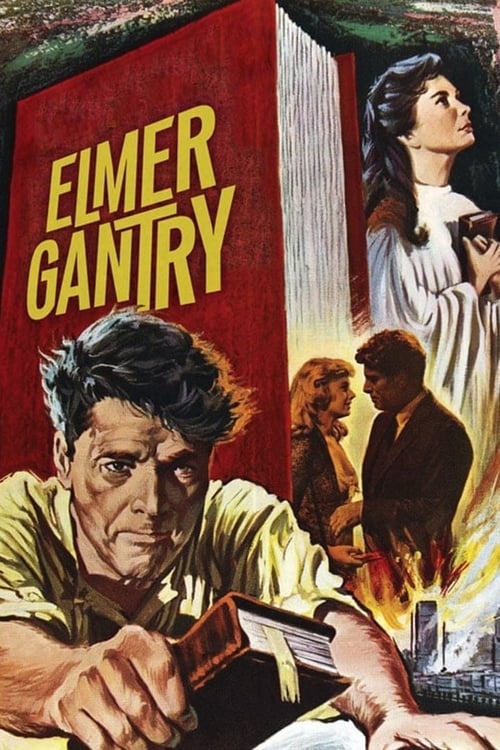
Elmer Gantry
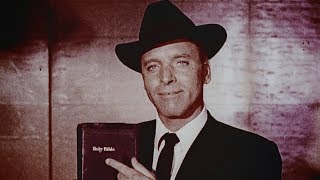
A charismatic charlatan begins a business — and eventually romantic — relationship with a roadside evangelist to sell religion to 1920s America. Based on Sinclair Lewis' novel of the same name.

7.258

146 min
Release
1960-07-07
Genres
Cast
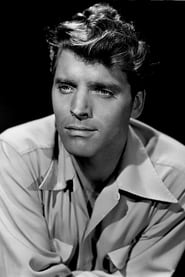
Burt Lancaster
as Elmer Gantry
Jean Simmons
as Sister Sharon Falconer
Arthur Kennedy
as Jim Lefferts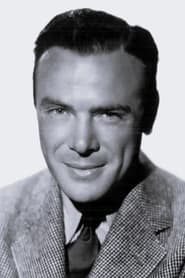
Dean Jagger
as William L. Morgan
Shirley Jones
as Lulu Bains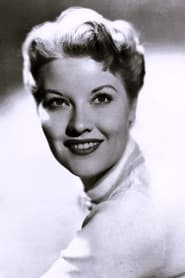
Patti Page
as Sister Rachel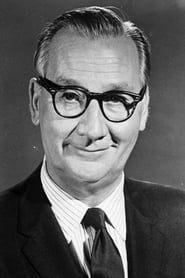
Edward Andrews
as George F. Babbitt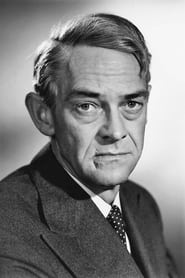
John McIntire
as Rev. John Pengilly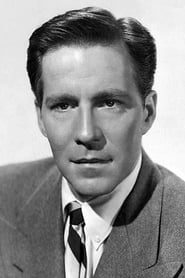
Hugh Marlowe
as Rev. Philip Garrison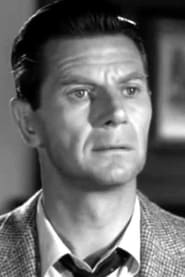
Joe Maross
as Pete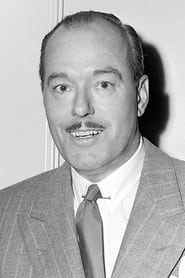
Philip Ober
as Reverend Planck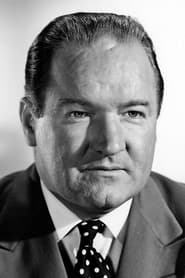
Barry Kelley
as Police Captain Holt
Wendell Holmes
as Reverend Ulrich
Dayton Lummis
as Eddington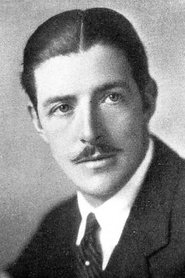
Colin Kenny
as Extra at Revival Meeting
William H. O'Brien
as Train Conductor
Bert Stevens
as Choir Member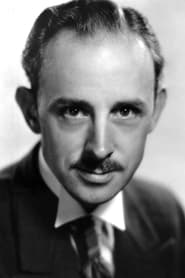
John Qualen
as Sam - Storekeeper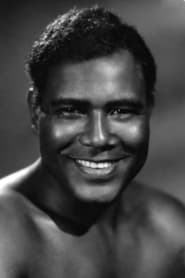
Rex Ingram
as Preacher of Black Congregation (uncredited)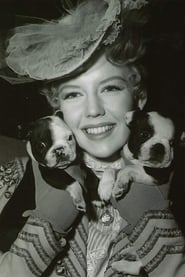
Sally Fraser
as ProstituteRobert P. Lieb
as Lincoln Police Captain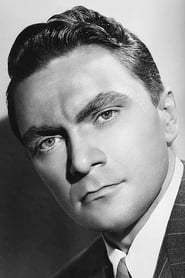
Larry J. Blake
as Mac - Bartender (uncredited)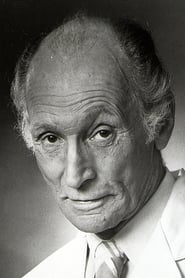
Peter Brocco
as Benny - Photographer (uncredited)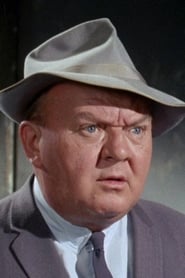
George Cisar
as Salesman in Saloon (uncredited)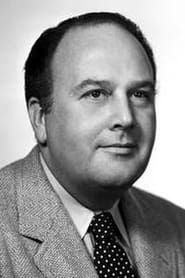
Ralph Dumke
as Salesman in Saloon (uncredited)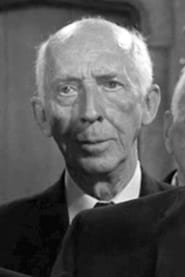
Everett Glass
as Rev. Brown (uncredited)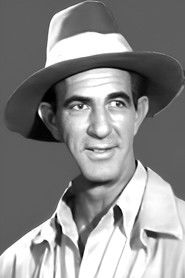
Sol Gorss
as Hobo in Boxcar (uncredited)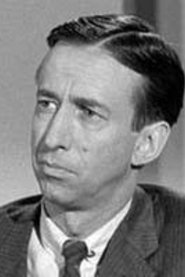
Norman Leavitt
as Salesman in Saloon (uncredited)
Dan Riss
as Radio Announcer (uncredited)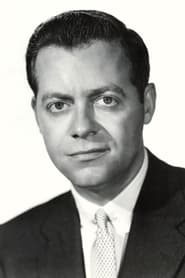
Max Showalter
as Deaf Man (uncredited)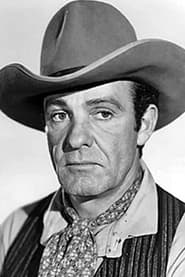
Dale Van Sickel
as Salesman in Saloon (uncredited)
Michael Whalen
as Rev. Phillips (uncredited)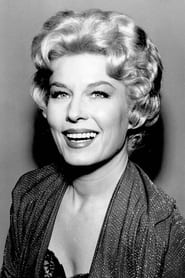
Jean Willes
as Prostitute (uncredited)Raoul Freeman
as Congregation Member (uncredited)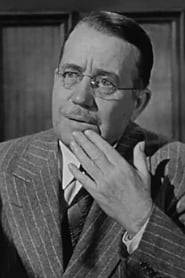
Harry Antrim
as Salesman in Saloon (uncredited)Phil Bloom
as Cornerman (uncredited)Paul Bradley
as Congregation Member (uncredited)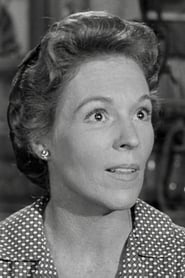
Claudia Bryar
as Religious woman collecting money in opening scene (uncredited)George DeNormand
as Congregation Member (uncredited)George Ford
as Reporter (uncredited)Johnny Kern
as Boxing Match Spectator (uncredited)
Mike Lally
as Radio Station Official (uncredited)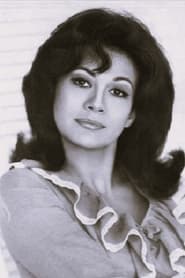
BarBara Luna
as Prostitute (uncredited)William Meader
as Congregation Member (uncredited)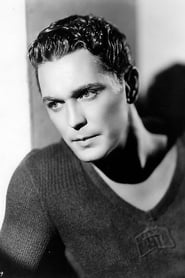
Charles Morton
as Man Destroying Revival Tent (uncredited)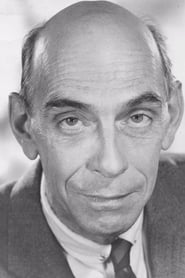
Milton Parsons
as Revivalist (uncredited)Bob Perry
as Boxing Match Spectator (uncredited)Jack Stoney
as Revival Tent Roustabout (uncredited)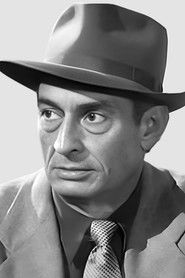
Ken Terrell
as Blind Man (uncredited)
Ray Walker
as Salesman in Saloon (uncredited)Guy Way
as Man at Fire (uncredited)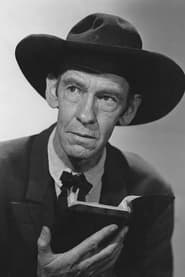
Guy Wilkerson
as Janitor in Revival Tent (uncredited)Director
REVIEWS
Geronimo1967
Burt Lancaster is on great form here as the eponymous quick-talking and charismatic hoover salesman who alights upon the successful industry that is "Sister Sharon" (Jean Simmons). She preaches the word of God with a piousness that he finds compelling. Not because he shares her zeal, but because he can see the impact it has on the rather sheepish population who turn up at her prayer meetings in their thousands - and donate for the work of the Lord in just as generous a fashion. Initially, the Sister is sceptical but she underestimates his charms and his persevering nature. He, too, does some underestimating of his own and pretty swiftly they are a formidable team of evangelising fund-raisers. He has his detractors, though - not least his jilted lover "Lulu" (Shirley Jones) who resents his new found success and happiness, and so determines to ruin it all for him. Question is - is "Gantry" really a changed man, or is it all just a façade? There's oodles of chemistry on display here between Simmons and an entirely convincing Lancaster that mixes religion, affection and plenty of wry humour as the two play a cat and mouse game that you just know how is going to end up. The writing is pithy and lively allowing these two, as well as Arthur Kennedy and Dean Jagger to deliver meaningfully to this story of indoctrination - but by whom and into what? We used to have a Church of Scotland minister when I was young that I thought was a bit puritanical in his sermon delivery - I suspect he might have watched this!

Wuchak
**_The story of traveling tent revivalists in 1920’s America_** A fast-talking salesman from Missouri (Burt Lancaster) is attracted to the troupe of a winsome evangelist (Jean Simmons). Once he proves his abilities as a charismatic preacher, he joins the "road church" show, but a woman from his past threatens to shake things up (Shirley Jones). Arthur Kennedy plays a reporter who travels with the group by train. "Elmer Gantry" (1960) was based on less than one-fourth of the 1927 book by agnostic-turned-atheist Sinclair Lewis. It makes fundamental changes to the two main characters by painting them sympathetically and therefore less one-dimensional and more interesting. This makes the movie better than the novel (at least the parts on which it was based). I should point out that Jean Simmon’s character, Sharon Falconer, was inspired by the notable-but-controversial Aimee Semple McPherson. It goes without saying that the film must be interpreted separate from the novel. The message is somewhat ambiguous and leaves it up to the viewer to draw their own conclusions, which is a sign of quality art IMHO. While it’s clearly not anti-Christian, it criticizes how revivalism can attract charismatic people of dubious credentials and questionable morality, which naturally results in troubles that could’ve been avoided with a little wisdom. The movie version of the title character is a fascinating study. At the beginning he clearly basks in partying in a bar at Christmas, but is willing to drop everything in order to passionately help a worker for the Salvation Army acquire donations. Why? Shortly later, he’s traveling penniless and shoeless, but is drawn to the lively worship at an all-black assembly where the congregants stare at him curiously, until he happily joins in the singing of “Canaan Land” to show that he’s really just one of them, despite his skin-color: A poor man seeking the Creator and salvation or redemption. The movie’s basically a story about people in positions of influence vacillating between carnality and spirituality, a condition of which most viewers can relate. But, as Jim Lefferts (Kennedy) points out: "We don't like our gods to be human." While the flick definitely has its points of interest, such as the milieu of 1920’s Middle America and Shirley Jones never looking better, "The Apostle" with Robert Duvall is a less artificial experience that addresses some of the same issues more effectively. It’s ironic that Sinclair Lewis made his character Elmer Gantry have a weakness toward booze seeing as how the author perished in 1951 due to advanced alcoholism. At 2 hours, 26 minutes, the film’s overlong by about half an hour. It was shot in the studio in Culver City and Hollywood, as well as the Columbia/Warner Brothers ranch in Burbank, except for the Tabernacle sequence filmed in Santa Monica. GRADE: B-/B
SIMILAR MOVIES
Forrest Gump
Metropolis
Palau the Movie
The Seven Husbands of Evelyn Hugo
Apocalypse Now
Absolute Power
The Name of the Rose
The Godfather Part II
La oscura historia de la prima Montse
Oliver Twist
Contempt

The Silence of the Lambs

Eyes Wide Shut
Good Mothers
Ronia: The Robber's Daughter
Once Upon a Time in America
Casino
Go Tell It on the Mountain
Beating Hearts

Squandered Sunday